



Testosterone Breakthrough™ is a daily food supplement formulated for adult men who want to support their nutrition as part of a wider focus on training, sleep, and overall health. It is particularly relevant for men in their forties and fifties who are paying more attention to their hormonal health, but it is suitable for any healthy adult man looking for a structured way to support his daily intake of zinc and a wider blend of plant extracts. Men with diagnosed medical conditions, or those on prescribed medication, should speak with their GP before starting any new supplement.

Date: May 29, 2026
How to still be hiking at 70 when your grandkids are 10
How to still be hiking at 70 when your grandkids are 10
A lot of men dedicate serious time to thinking about ripped abs, but in reality, what many men over forty are thinking about is harder to quantify. Why? Because they’re thinking about long-term mobility and whether they'll still be able to do fun things when the people who
matter most, grandkids, nephews, nieces, are old enough to join them.
The stuff that seems simple now, that’s what men over forty want to remain simple as they age, like hiking and camping with a ten-year-old grandchild, being the life of the party on a family holiday or at a BBQ, and ultimately not being the one who has to sit down all the time or who can’t lift their grandkids onto their back.
The important thing is for this goal to start early, not when you’re sixty-five; in fact, it should start now, whatever your age. What you do in your forties and fifties can ultimately determine what is physically possible in your seventies. Men who proactively maintain their mobility can ultimately feel and appear younger for longer. This article is about the longevity window and what science says about keeping it open.

Why is testosterone important for long-term mobility?
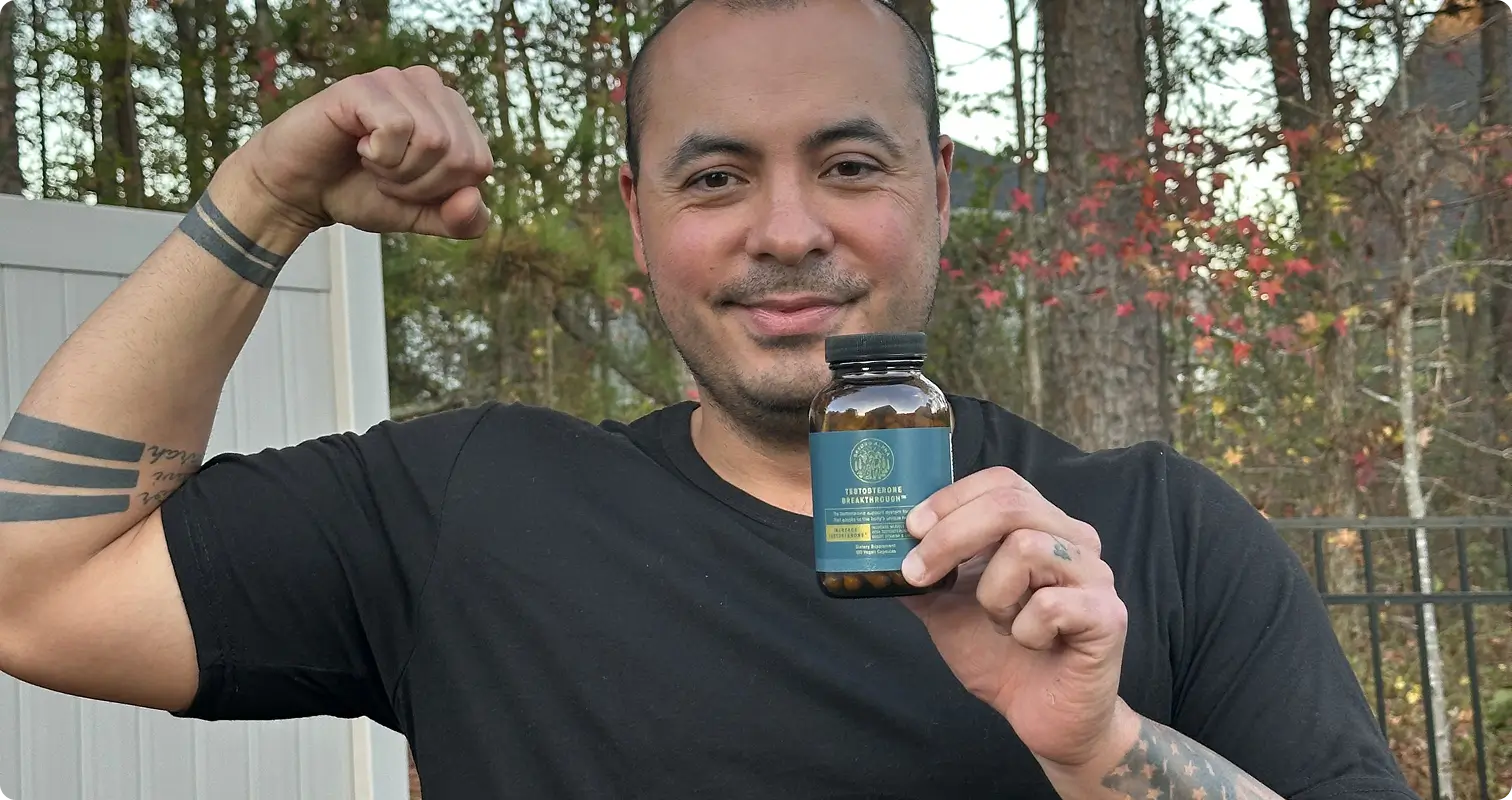
Men often associate testosterone with sex drive, energy, and epic gym performance, all of which are true, but it also drives muscle maintenance, bone density, energy metabolism, and physical recovery. These aren't cosmetic concerns; they're the biological foundations of staying physically capable as you age.
According to research by Feldman et al., from around age thirty, total testosterone typically declines by around 0.8-1.6% per year, with free testosterone falling faster due to rising levels of sex hormone-binding globulin, and by their mid-forties, many men are running at levels meaningfully below their peak. These findings relate to general age-related hormonal patterns in men, not to any specific supplement.1 Lower testosterone symptoms are often written off as "just getting older", such as persistent fatigue, slower recovery after activity, muscle that is harder to build and easier to lose, and a general sense of reduced drive, whether that be sex, energy, or other.
In fact, these changes are commonly associated with a shift in the hormonal environment that, when not proactively supported, can contribute to the kind of physical changes many men associate with ageing. Supporting healthy testosterone levels through nutrition and lifestyle is one of the steps men can take to maintain their physical baseline as they get older.
What happens to the body when testosterone levels change with age?
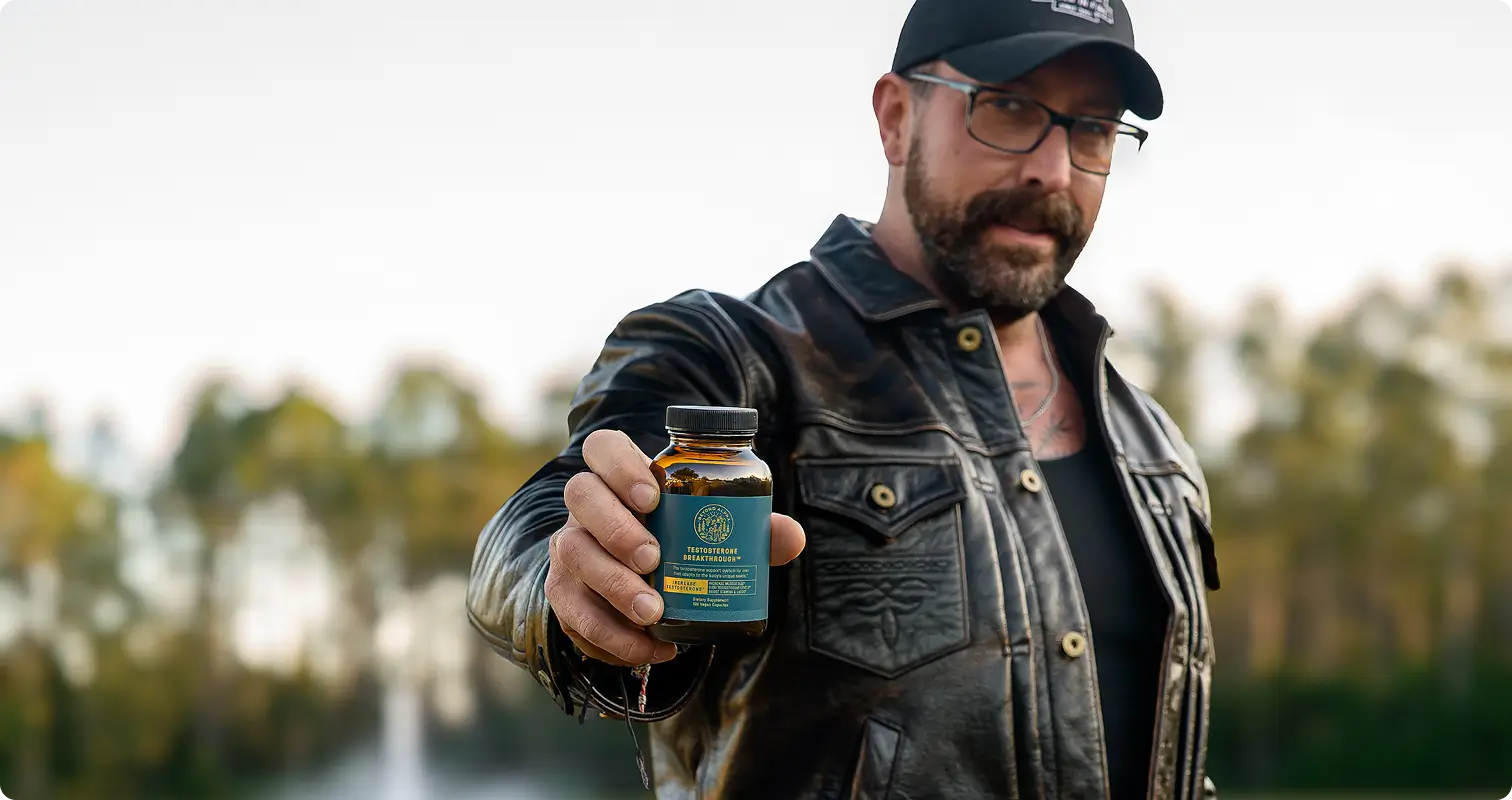
From your mid-thirties onward, muscle mass naturally decreases, and without intervention, research shows men lose around 3-8% of muscle mass per decade, with the rate accelerating after sixty. Alongside that, bone density can decline, recovery time lengthens, and the energy required for physical activity starts to feel greater relative to the output.
The compounding effect can be significant. For example, a fifty-five-year-old man who has lost strength and recovery capacity is not well-positioned to be doing ridge walks and lifting his grandkids at seventy. This is not inevitable, but it does require paying attention earlier than most men do.
The good news is that the body responds to targeted support at any point. The earlier you start, the more you preserve, but starting in your forties or fifties still makes a real difference.
The role of sleep and recovery in physical longevity
The role of sleep and recovery in physical longevity
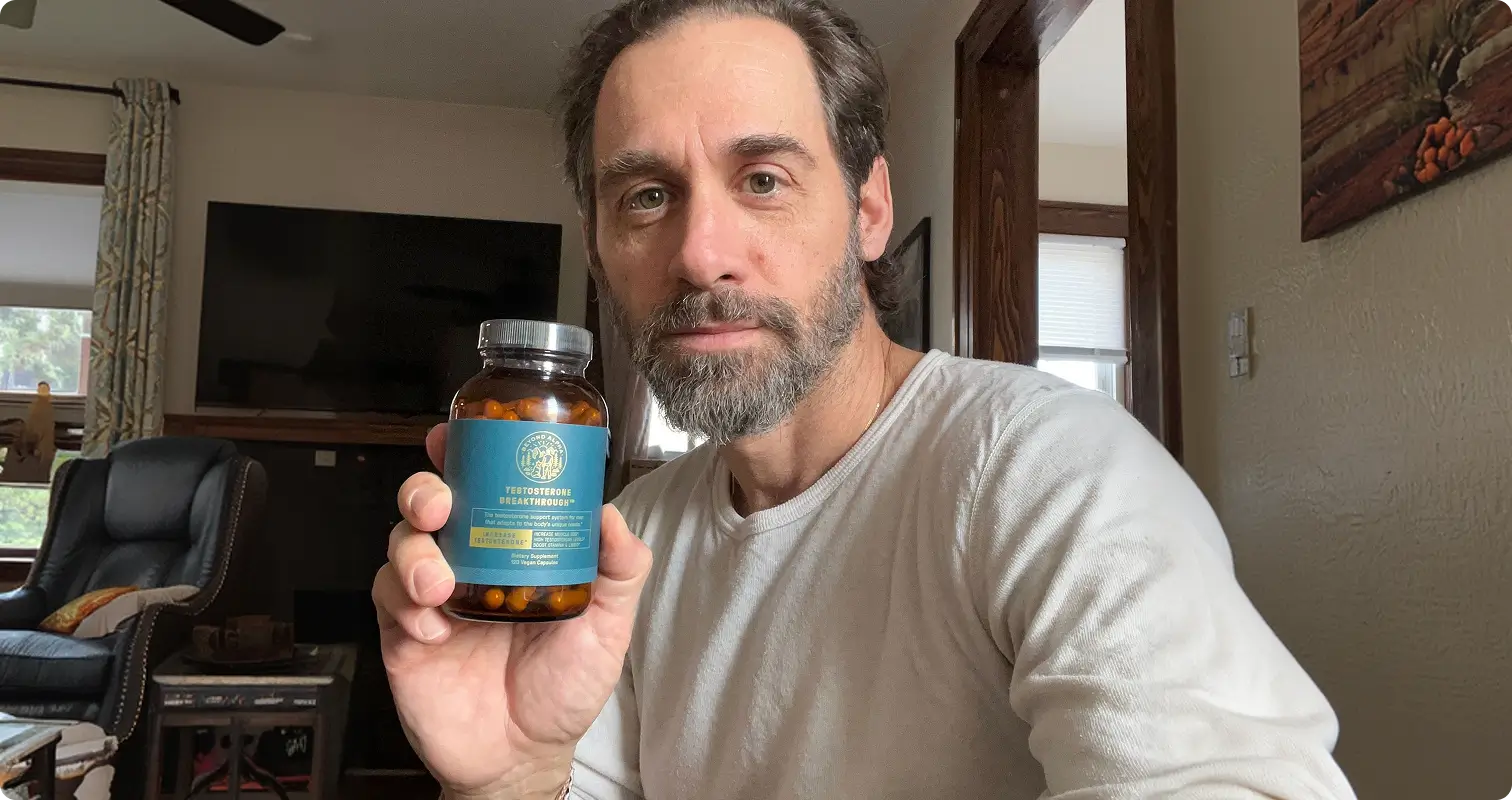
Let’s get one thing straight; sleep is not passive. During deep sleep, the body repairs muscle tissue, regulates cortisol, and releases the hormones that support physical recovery. Men who sleep poorly are unlikely to recover properly, and men who do not recover properly lose the capacity to stay physically active over time.
According to research by Leproult and Van Cauter, poor sleep is associated with reduced testosterone production, and lower testosterone tends to impair sleep quality. It is a cycle that, once established, is unfortunately self-reinforcing.This study relates to the underlying physiological mechanism, not to any specific supplement.
Getting enough quality sleep and eating a varied, nutrient-rich diet are two of the most underutilised tools men have when it comes to physical longevity. Both directly support the hormonal and muscular recovery processes discussed above. Most men over forty could meaningfully improve one or both without a significant change in routine.
How to maintain mobility as you age
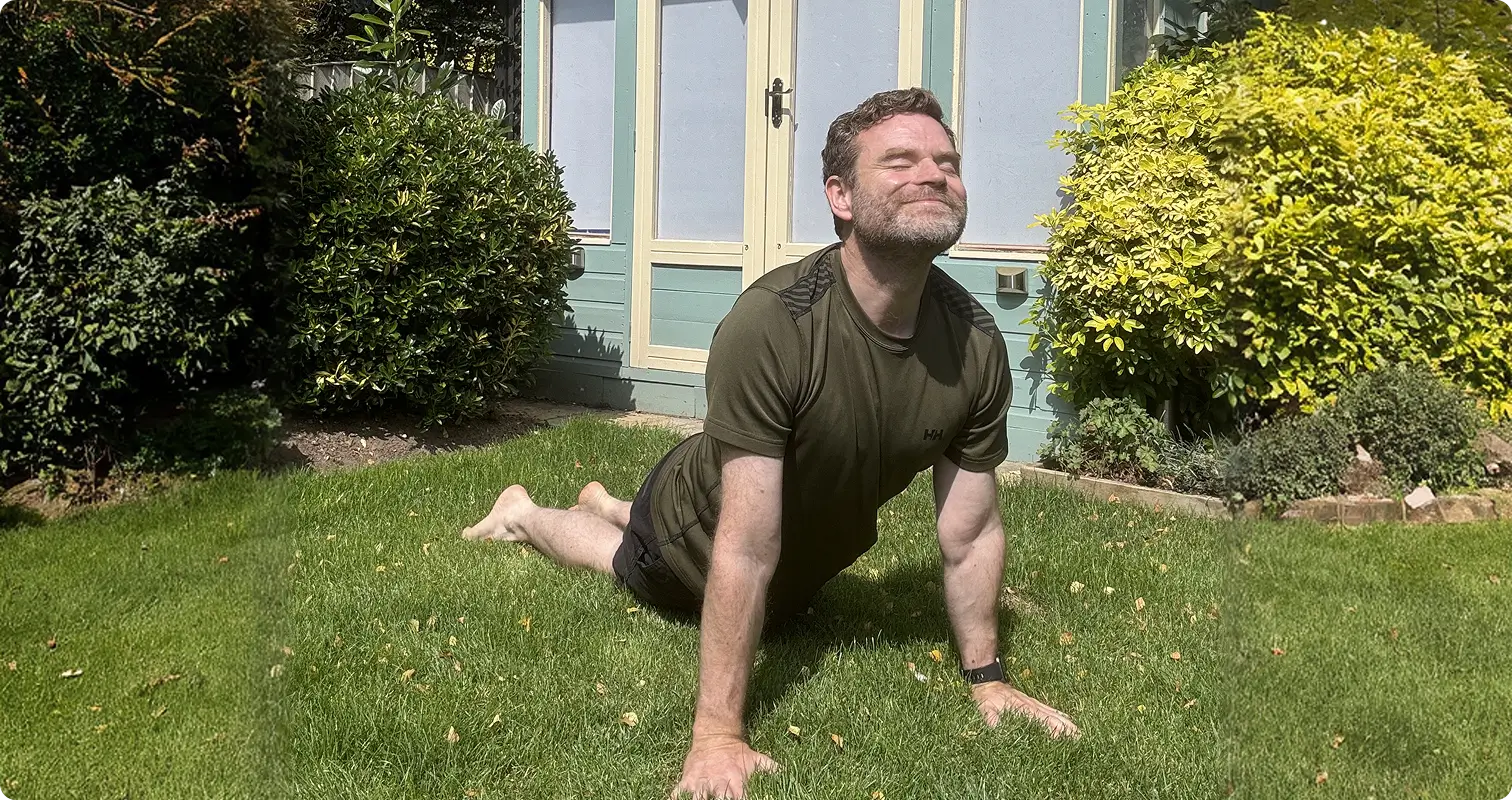
Longevity, in physical terms, is not about extreme training; it is about maintaining the baseline fitness that keeps you moving, the muscle mass that protects joints, the cardiovascular capacity that sustains activity, and the recovery speed that makes consistency possible.
Research and observation suggest that men who remain physically capable into their seventies often share a few common traits (though individual results vary) they stayed consistent rather than sporadic, and they paid attention to sleep and recovery. They understood that what they were doing was not about performance benchmarks; it was about staying useful and present for the people who matter to them.
That framing matters. Motivation grounded in something real, like being able to hike with a grandchild, keeping up on a family trip and not declining into dependency and immobility, tends to sustain behaviour in a way that abstract health goals do not.
Why men should start planning for longevity now

If you are in your forties or early fifties, you are in the most important window to make good decisions. The choices you make in this decade will determine your physical baseline at sixty-five and seventy.
Supporting healthy testosterone levels naturally, through targeted ingredients shown in research to be associated with normal hormonal health, is one of the areas most men overlook when thinking about long-term physical well-being.
Paying attention to sleep and recovery, and maintaining good nutritional habits, can help support the nightly repair cycle that the body depends on to stay resilient.
This is not a substitute for staying active, eating well, or managing stress, but they are foundational for long-term mobility, and for most men, it is the part that has been missing.


 Verified Buyer
Testosterone Breakthrough™
Rated 4.8 out of 5 stars
639 Reviews


Original Testosterone Breakthrough™ is made by Beyond Alpha and available only at beyondalpha.co
 Verified Buyer
Frequently Asked Questions
Who is Testosterone Breakthrough™ designed for?
How do I take Testosterone Breakthrough™, and is the formula suitable for vegetarians?
The recommended daily intake is four capsules, which can be taken together or split across the day, ideally with a meal. Consistency tends to matter more than timing, so the most useful habit is taking it daily as part of an existing routine. The formula is plant-based and contains no animal-derived ingredients, making it suitable for both vegetarians and vegans. As with any supplement, do not exceed the recommended daily dose, and store it out of reach of young children.
What does the zinc in Testosterone Breakthrough™ actually do?
Zinc contributes to the maintenance of normal testosterone levels in the blood. It also contributes to normal fertility and reproduction, and to the protection of cells from oxidative stress. It is found naturally in foods such as red meat, shellfish, seeds, and legumes, but daily intake can fall short for men eating a lower-meat or more processed diet. A daily supplement that includes zinc at a meaningful dose is a straightforward way to support that baseline.
ADVERTISEMENT. This article is for informational purposes only and does not constitute medical advice. The products mentioned are food supplements and are not intended to diagnose, treat, cure, or prevent any disease. Individual results may vary. Please consult a healthcare professional before starting any new supplement regimen. The statements in this article have not been evaluated by regulatory authorities.
References
1. Feldman HA, et al. Age trends in the level of serum testosterone and other hormones in middle-aged men: longitudinal results from the Massachusetts Male Aging Study. The Journal of Clinical Endocrinology & Metabolism. 2002;87(2):589–598. https://consensus.app/papers/details/536fd25db533503cb1ba26bf250d3ab2/
2. Leproult R, Van Cauter E. Effect of 1 week of sleep restriction on testosterone levels in young healthy men. JAMA. 2011;305(21):2173–2174. https://consensus.app/papers/details/f131c09117ba5cb59537f3ad97f411e8/
3. Mitchell WK, et al. Sarcopenia, dynapenia, and the impact of advancing age on human skeletal muscle size and strength: a quantitative review. Frontiers in Physiology. 2012;3:260. https://consensus.app/papers/details/9f2d27f9772b56968502093741415f42/